Updated: Mar 29, 2025

On a recent jaunt to Cairo—yes, as one does—with the delightful company Anut Collection, I seized the chance to make a pilgrimage to one of the city’s hidden gems: the Gayer-Anderson House. I mean, what’s a trip to a new city without an overly enthusiastic visit to a historic house museum?
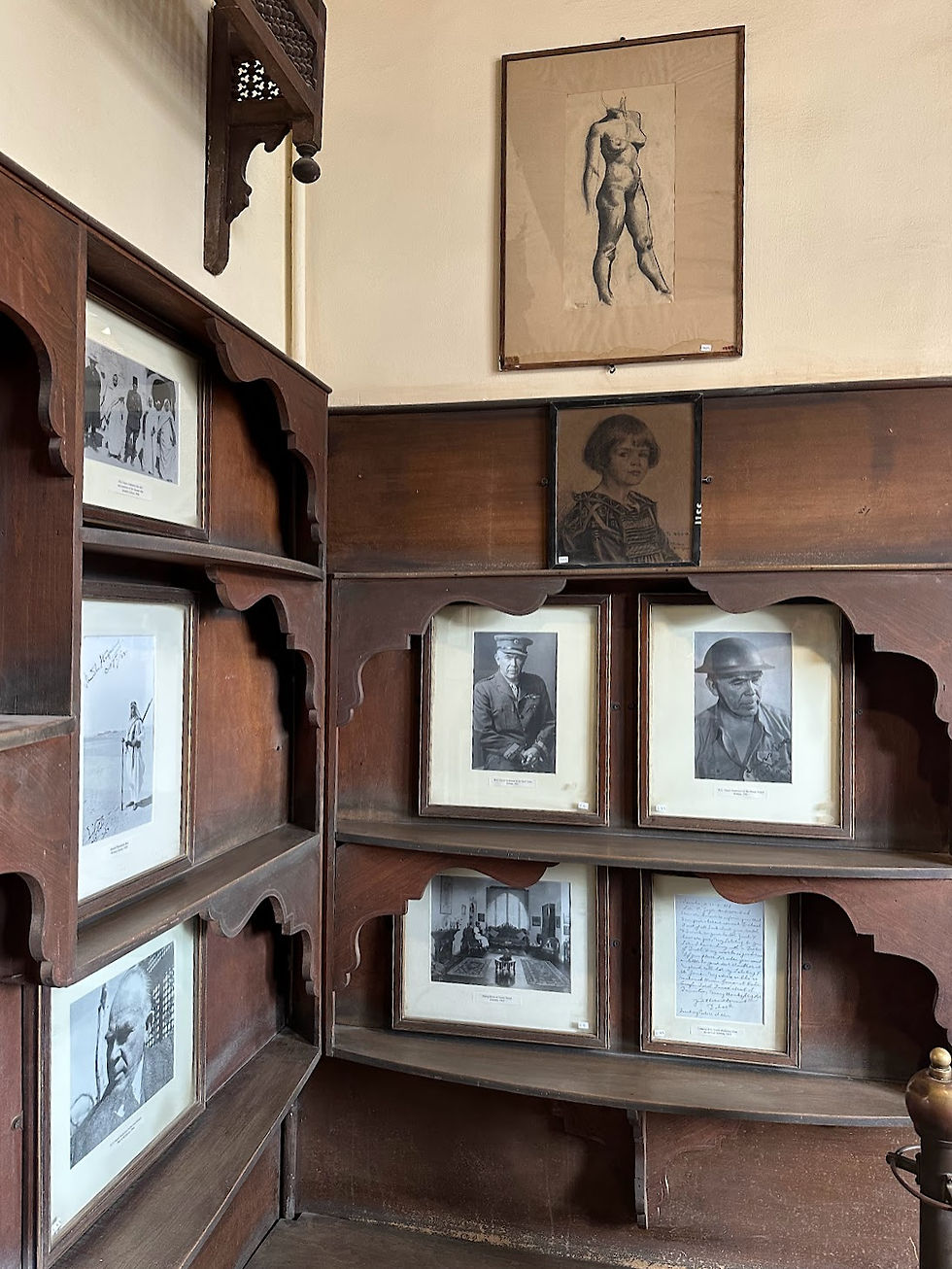
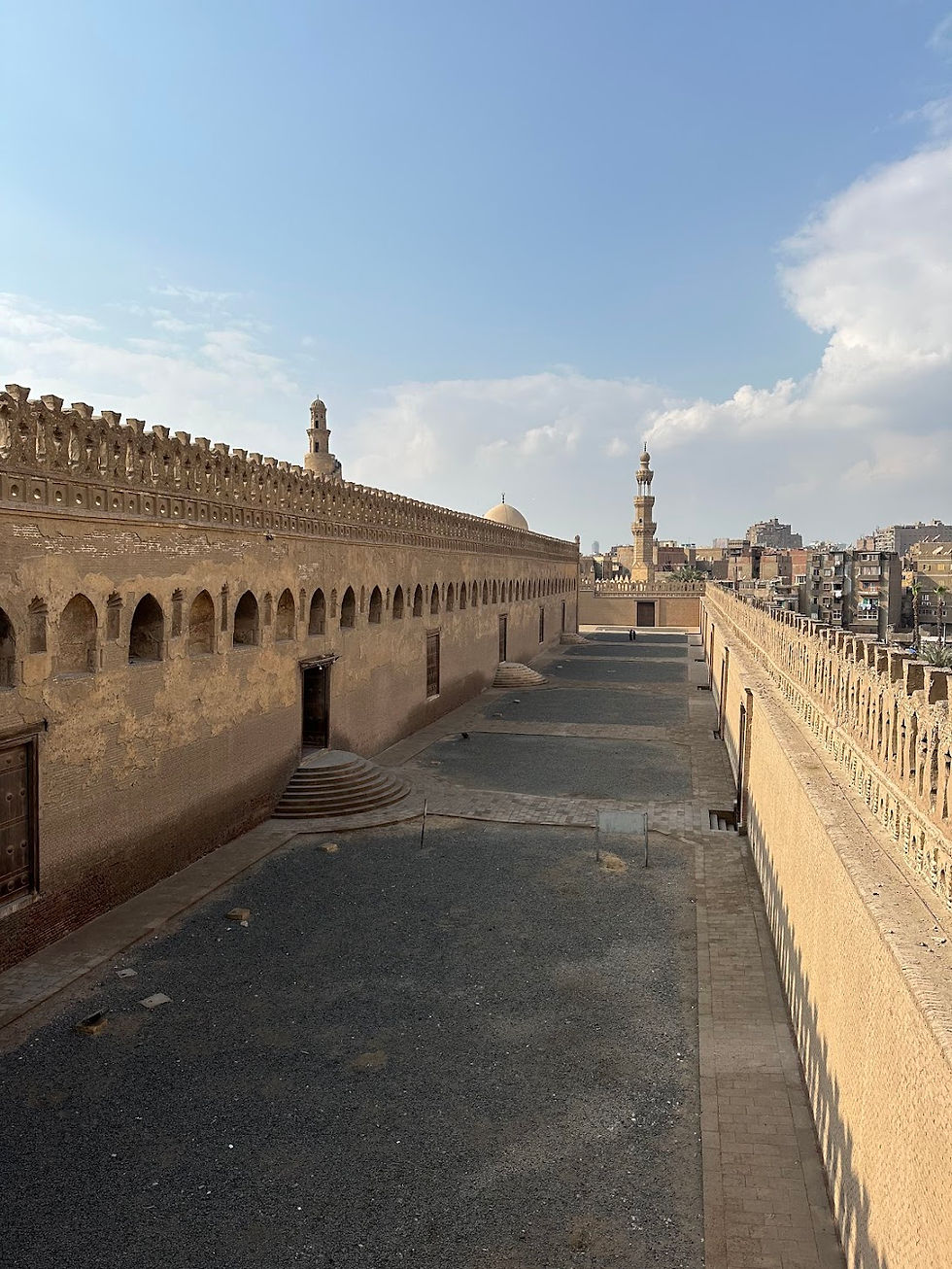
Tucked next to the grand Mosque of Ibn Tulun, the Gayer-Anderson House is a rather glorious example of a 17th-century Ottoman-era residence, lovingly preserved. Originally two separate houses built in 1631, they were later joined to form one grand abode. The house takes its name from Major R.G. Gayer-Anderson, a British army officer and self-declared Orientalist, who restored—and rather grandly lived in—the house between 1935 and 1942.
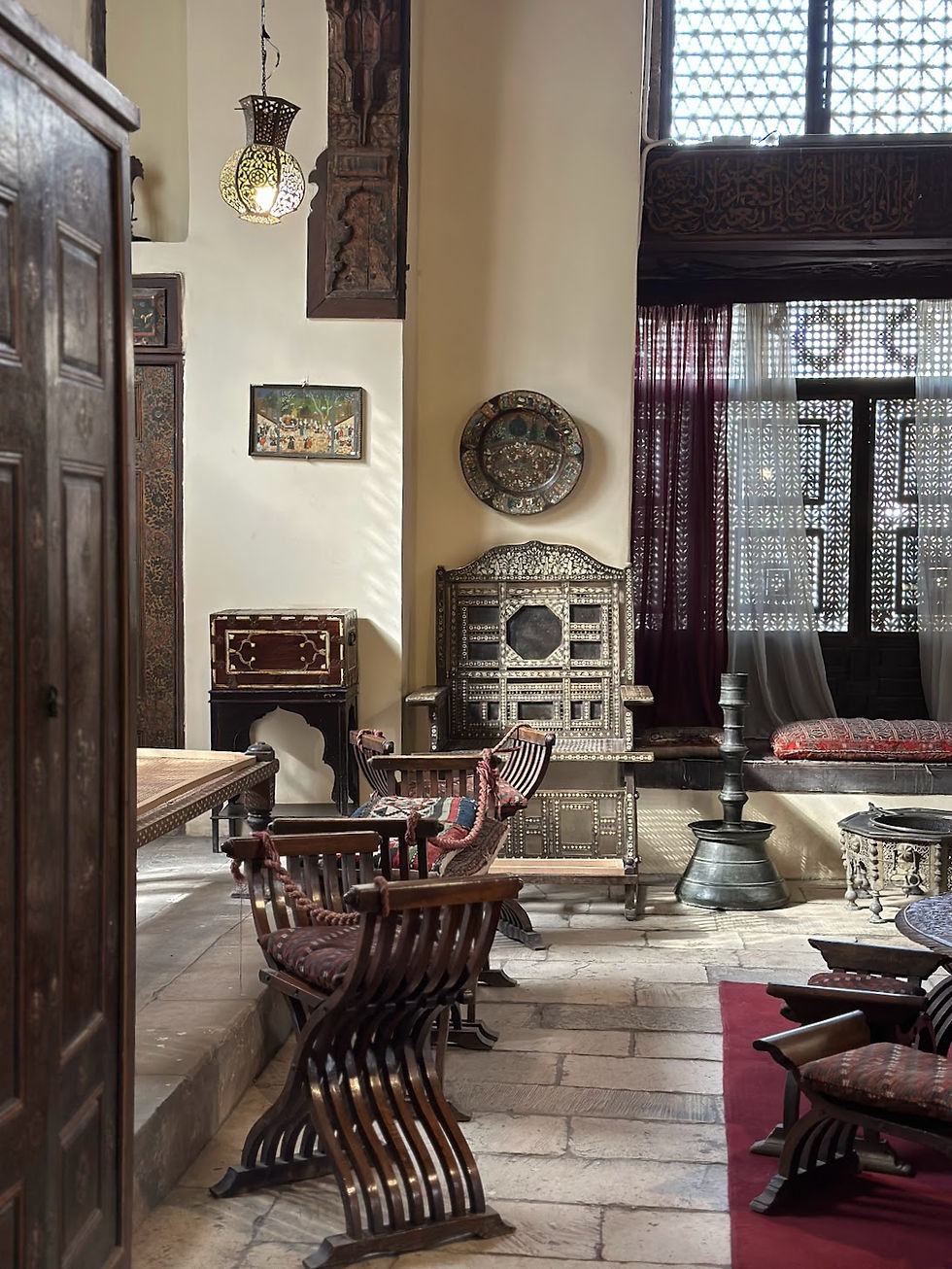
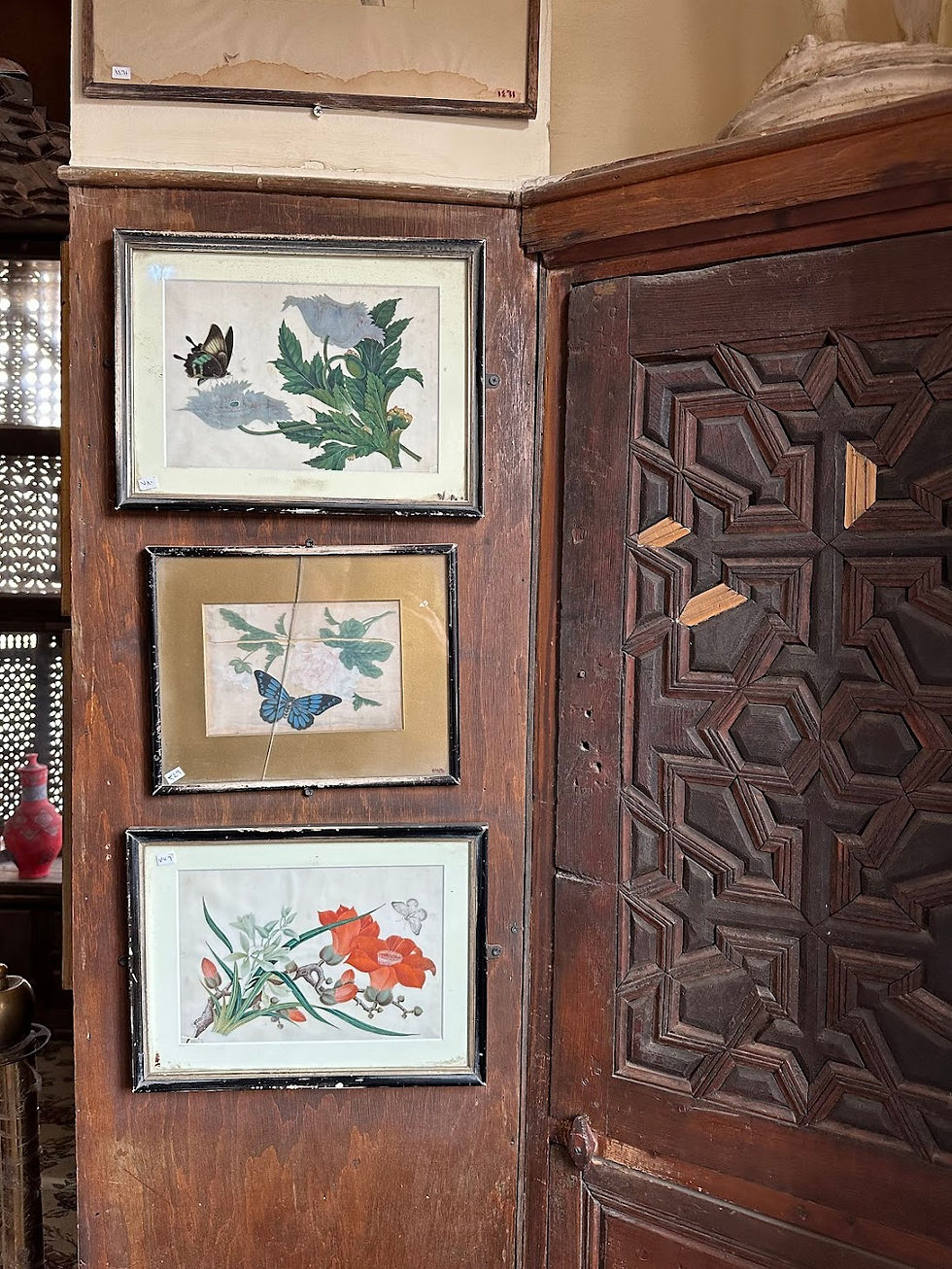
Gayer-Anderson, a keen collector with a flair for the theatrical, filled the rooms with a heady mix of Islamic, Egyptian, and European treasures. His love for Middle Eastern design is everywhere: from the intricate mashrabiya screens to richly carved Syrian panels and dreamy tiled courtyards. When he left in 1942, he gifted the entire house and its contents to the Egyptian government, no less.
Today, the museum offers a wonderful peek into the decorative and architectural tastes of the Ottoman world, with rooms dressed in Persian, Damascene, and Moorish finery. And if that weren’t enough, it even enjoyed a moment of Hollywood glamour as a filming location for the 1977 Bond classic The Spy Who Loved Me.